WHATCOM COUNTY, Wash. —
Washington cats confirmed with HPAI as investigation into contaminated pet food continues
OLYMPIA – The Washington State Department of Agriculture (WSDA) is alerting pet owners that at least 2 domestic, indoor cats in King and Snohomish counties have become infected with “Highly Pathogenic Avian Influenza” (HPAI or H5N1), and more cats are being tested.
Contaminated Wild Coast Raw pet food has been reportedly fed to effected cats by their owners. The WSDA and the Oregon Department of Agriculture warned pet owners about the risks of raw pet food after indoor cats in Oregon became ill from HPAI beginning in early February of 2025.
The contaminated pet food has been linked to severe illness in cats in Oregon in addition to the reports in Washington mentioned here.

Click for more information

Click for more information
Products included in the alert are Wild Coast LLC – Boneless Free Range Chicken Formula, lots #22660 and #22664 with a Best By Date of 12/2025.
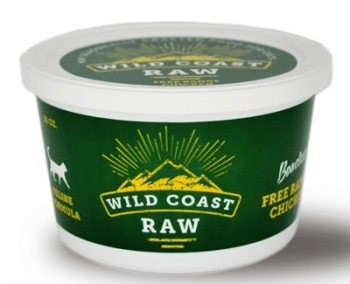
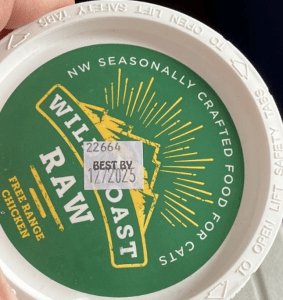
WSDA received confirmatory HPAI positive results of both cats from the National Veterinary Services Laboratory (NVSL) on Tuesday, February 25, 2025.
Common clinical signs of HPAI in felines include lethargy, low appetite, fever, hypothermia, progression of illness to pneumonia, progression of illness to neurologic abnormalities and upper respiratory infection. If your pet has consumed this product and has any of these symptoms, please contact your veterinarian immediately. Inform the veterinary clinic before arriving so the veterinary team can prepare to handle the cat in a manner that reduces risk of transmission to veterinary staff, other clients, and other animals.
To date, there have been no documented human cases of HPAI following exposure to an infected cat or contaminated raw pet food products. The currently circulating strain of HPAI is considered low risk to the public, but there is greater risk for those who handle contaminated raw pet food products or who care for infected animals.
Advertisement
Click for more informationAdvertisement
Click for more informationPeople can become infected if the virus enters their eyes, nose, or mouth — such as by handling contaminated pet food or touching contaminated surfaces, especially without thoroughly washing their hands afterward.
Sick animals could be isolated to prevent the possible spread to other animals and people in the home. Caretakers should wear a well-fitting face mask and practice good hand hygiene when caring for infected animals.
Public health monitors all people exposed to animals infected with HPAI through 10 days following their last exposure.
“This is a difficult situation, we love our pets, and it’s devastating when they fall ill,” WSDA field veterinarian Dr. Zac Turner said. “If your cat is showing symptoms, consult a veterinarian as soon as possible.”
The WSDA is continuing to investigate and monitor the situation and urges veterinarians and pet owners to report any additional illnesses potentially linked to the contaminated product. Currently, WSDA does not recommend feeding raw pet food or raw milk to animals.


Discover more from Whatcom News
Subscribe to get the latest posts sent to your email.
Thank you. I’m very grateful for this report. I love my cat.